
Prompt ( Click to Copy )
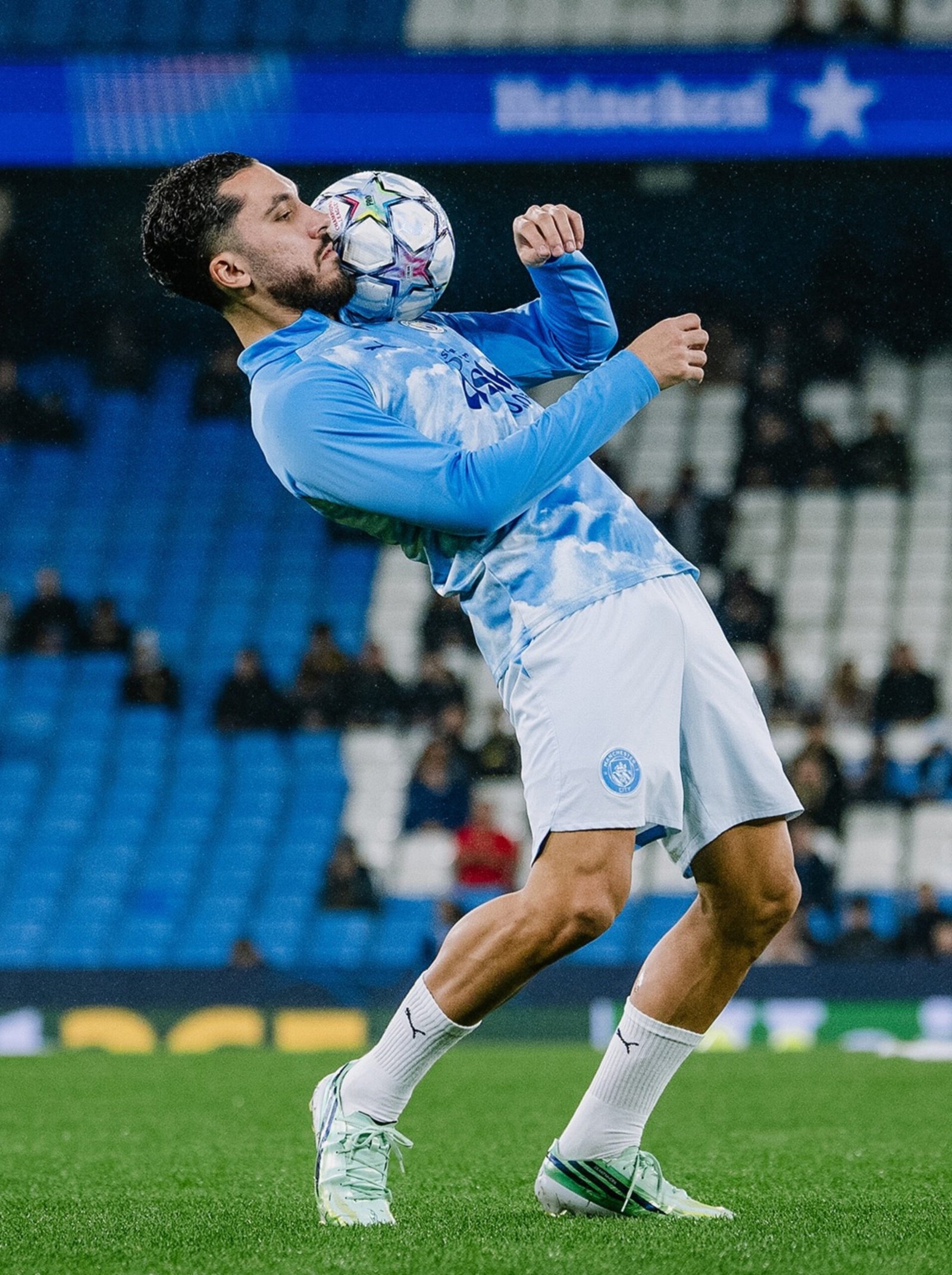
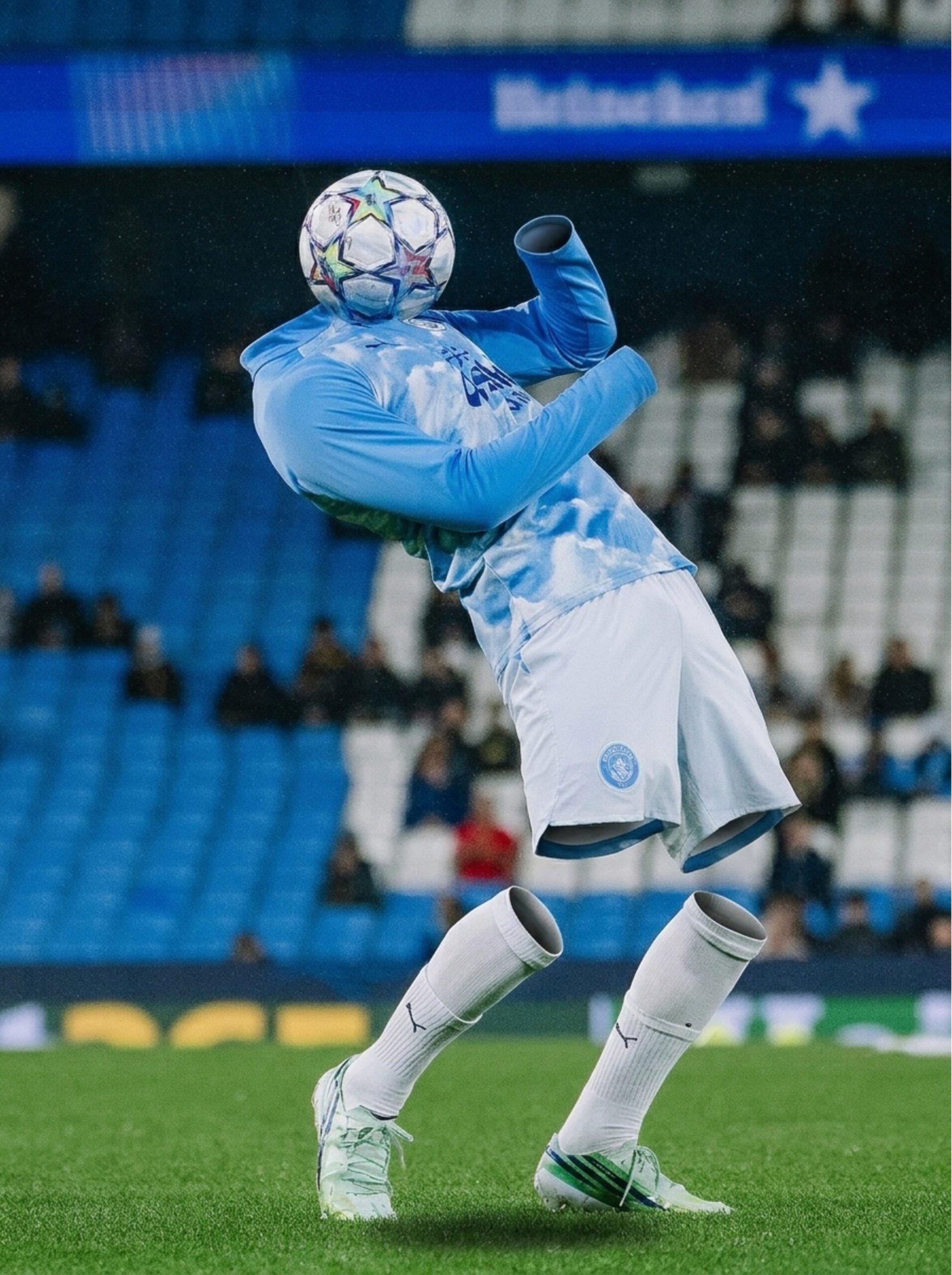
					Edit the attached photo into an "invisible player" football effect. Keep the player's full kit exactly as it is: jersey, shorts, socks and boots, with all logos, sponsors, badges, stripes, numbers and fabric folds unchanged. Remove the player's body completely: head, neck, face, hair, hands, arms and legs, including any exposed skin. Do not leave any skin, tattoos or body parts visible.

The clothes must look like they are worn by an invisible person, holding their natural 3D shape, volume and pose, and floating in the exact original position and action. Neck opening, sleeve openings and shorts leg openings must be hollow, with a clean empty inner fabric visible (white or matching the kit's inner color), and with realistic soft inner shadows. Socks and boots should also float naturally, with clean hollow openings at the ankle and calf area.

Keep the original background, stadium, crowd, grass, ball, lighting, camera angle, depth of field and motion blur untouched. Reconstruct any background areas that were hidden behind the removed body so they look natural and seamless. Preserve cast shadows on the grass so the scene stays realistic.

Style: ultra-realistic sports photography, 8K, razor-sharp fabric detail, natural stadium lighting, cinematic color grading, high dynamic range, no artifacts, no distortion, no blur on the kit, no extra objects, no text, no watermark.
AI Tool Used
Prompt ( Click to Copy )
					You are given two images.
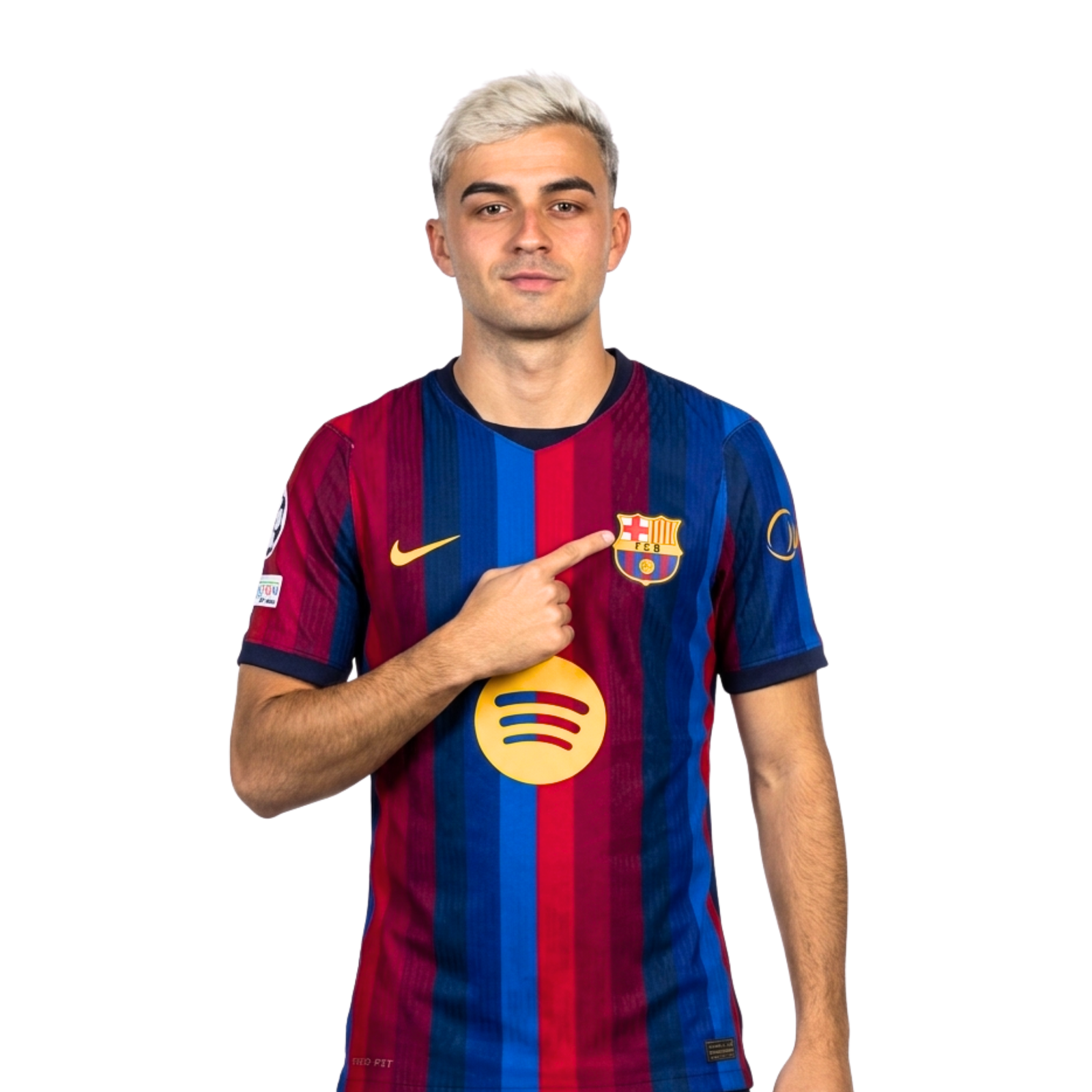
IMAGE 1 = the player photo (source of identity and outfit).
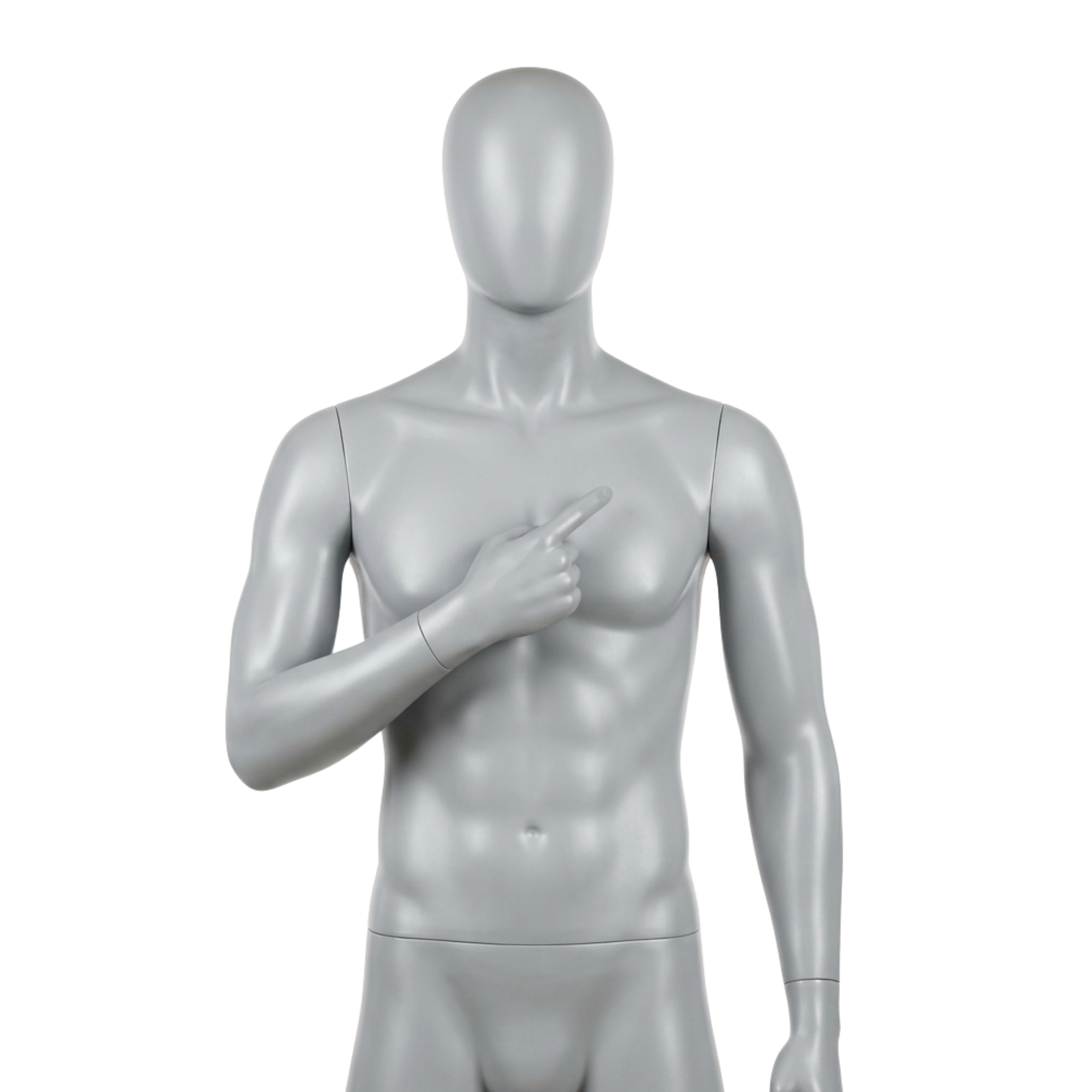
IMAGE 2 = the mannequin photo (source of pose, framing, scale, background and canvas).

TASK: Edit IMAGE 1 so that the player appears in the exact same pose, framing, scale, position and background as the mannequin in IMAGE 2, while keeping the player's face, body identity and clothing faithful to IMAGE 1.

1) POSE AND BODY (copy from IMAGE 2)
Reproduce the mannequin's pose exactly: head level and facing straight forward, shoulders squared, torso facing the camera. The right arm (viewer's left) is bent at the elbow with the forearm raised across the lower chest, the hand closed in a fist with only the index finger extended, pointing toward the upper chest on the opposite side, at the same height and angle as IMAGE 2. The left arm (viewer's right) hangs straight down along the body, relaxed, with the hand in a loose closed fist beside the hip. Match the body proportions, shoulder width, height and stance of the mannequin. If the player's original pose differs, re-pose the body naturally to match IMAGE 2 while keeping the player's real build realistic.

2) FRAMING, SCALE AND CANVAS (copy from IMAGE 2)
Output must have exactly the same aspect ratio, dimensions and crop as IMAGE 2. Place the head at the same distance from the top edge, the shoulders, pointing hand and hanging arm at the same positions, and cut the image at the same point at the mid-thighs. The figure must occupy the same area of the frame as the mannequin, overlapping it as closely as possible. Do not zoom in or out. Do not add knees, lower legs, feet, a stand, a base or any element that is not visible in IMAGE 2.

3) BACKGROUND (copy from IMAGE 2)
Use the same pure clean white seamless studio background as IMAGE 2, with no gradient, no grey tone, no floor line, no props and no extra elements. Remove the original background of IMAGE 1 completely, with clean, precise edges around the hair, shoulders, hands and fingers, and no halo or leftover color fringing.

4) IDENTITY AND FACE (preserve from IMAGE 1)
Keep the player's face exactly as in IMAGE 1: same facial structure, eyes, eyebrows, nose, lips, jawline, skin tone and skin texture, facial hair, hairstyle and hair color. Keep the expression from IMAGE 1 unless it conflicts with the head position of IMAGE 2, in which case use a natural neutral expression. Preserve tattoos, scars, wristbands, bracelets and any accessories. The person must be instantly recognizable, with no beautification, no smoothing, no age change and no face distortion.

5) CLOTHING (preserve from IMAGE 1)
Keep the exact outfit from IMAGE 1: the same jersey design, colors, stripes, collar and sleeve trims, fabric texture and pattern, club or national team crest, stars, brand logo, sponsor logos, sleeve patches, badges, numbers and lettering, plus the shorts and their details if visible within the crop. Fit the clothing naturally to the new pose, with realistic folds, wrinkles and fabric tension around the raised forearm and the hanging arm. The pointing finger points toward the chest area without covering the main crest or logos more than necessary. Do not invent, modify, blur or misspell any logo, text or number. If a detail is hidden by the hand or folds, show only what would realistically be visible.

6) LIGHTING AND QUALITY
Match the soft, diffused front studio lighting of IMAGE 2, with gentle natural shadows and realistic skin and fabric highlights. Output a photorealistic professional studio portrait, ultra-sharp focus, high resolution, 8K detail, natural color grading, consistent with IMAGE 2.

AVOID: changing the face, different person, different outfit, altered or invented logos or text, wrong jersey colors, different crop, zoomed out view, visible knees, lower legs or feet, stand or base, grey, colored or gradient background, extra people, extra or missing fingers, open palm instead of pointing finger, distorted hands or arms, wrong arm position, cartoon or plastic skin, grey mannequin skin, over-smoothing, watermark, text overlay.
AI Tool Used
Prompt ( Click to Copy )
					You are given two images.
IMAGE 1 = the player photo (source of identity and outfit).
IMAGE 2 = the mannequin photo (source of pose, framing, scale, background and canvas).

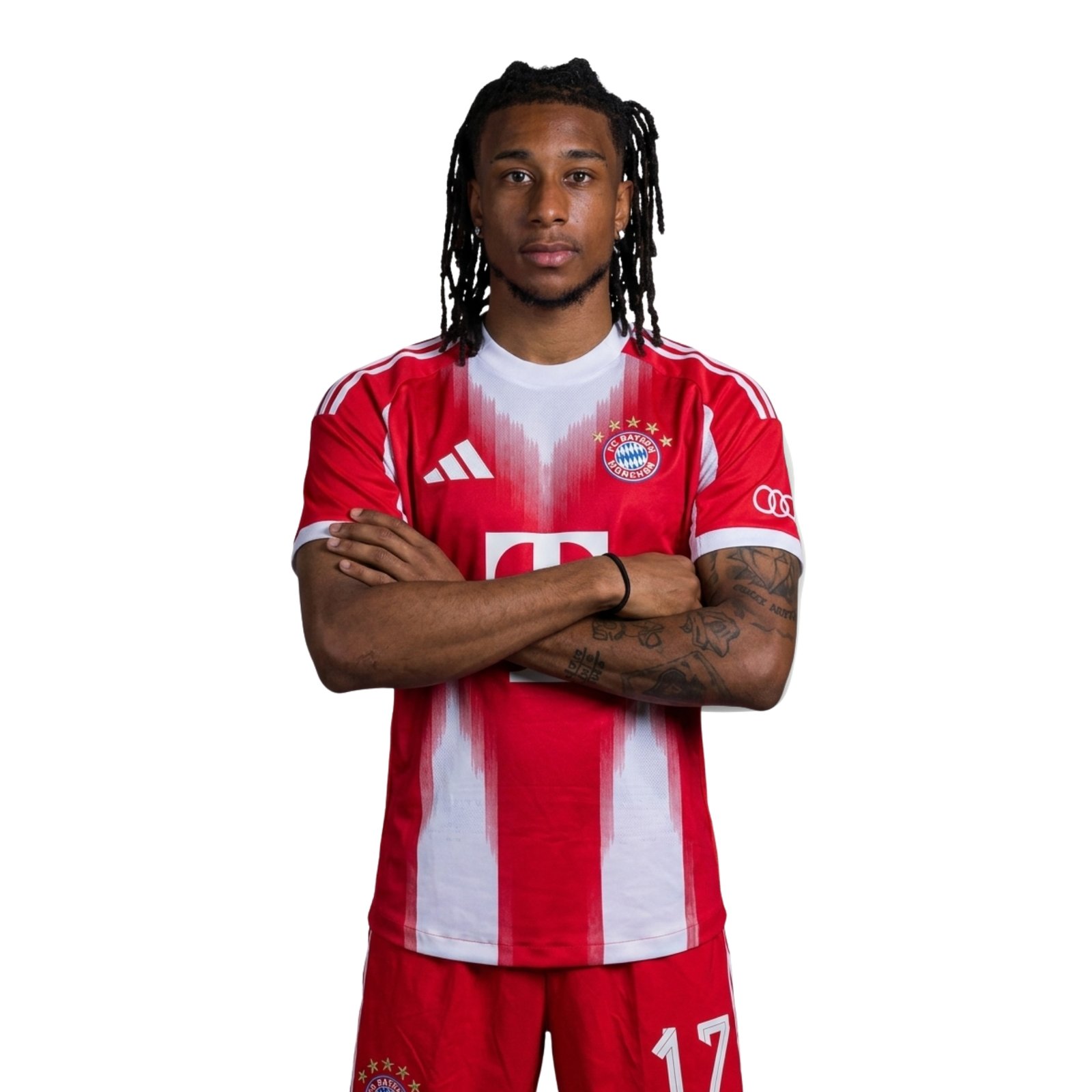
TASK: Edit IMAGE 1 so that the player appears in the exact same pose, framing, scale, position and background as the mannequin in IMAGE 2, while keeping the player's face, body identity and clothing faithful to IMAGE 1.

1) POSE AND BODY (copy from IMAGE 2)
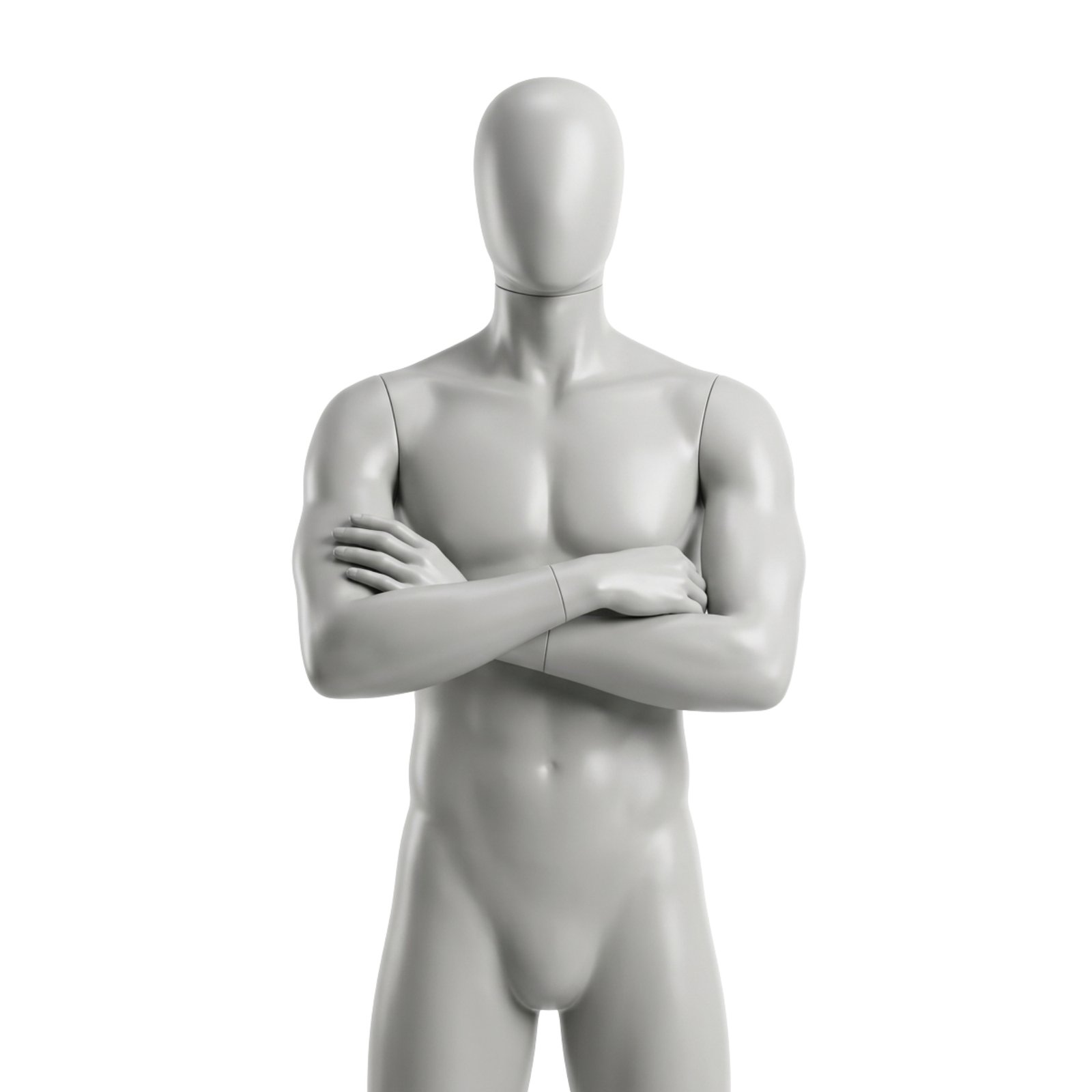
Reproduce the mannequin's pose exactly: figure centered and facing the camera, shoulders squared, head level and looking straight ahead, both arms crossed firmly over the chest with the same arm positions, same elbow angles and same hand placement. Match the same body proportions, shoulder width and stance as the mannequin. If the player's original pose differs, re-pose the body naturally to match IMAGE 2 while keeping the player's real build and proportions realistic.

2) FRAMING, SCALE AND CANVAS (copy from IMAGE 2)
Output must have exactly the same aspect ratio, dimensions and crop as IMAGE 2. Place the head at the same distance from the top edge, the shoulders and arms at the same positions, and cut the image at the same point at the upper thighs. The figure must occupy the same area of the frame as the mannequin, overlapping it as closely as possible. Do not zoom in or out. Do not add legs, knees, feet, a stand, a base or any element that is not visible in IMAGE 2.

3) BACKGROUND (copy from IMAGE 2)
Use the same pure clean white seamless studio background as IMAGE 2, with no floor line, no props and no extra elements. Remove the original background of IMAGE 1 completely, with clean, precise edges around the hair, shoulders and arms, and no halo or leftover color fringing.

4) IDENTITY AND FACE (preserve from IMAGE 1)
Keep the player's face exactly as in IMAGE 1: same facial structure, eyes, eyebrows, nose, lips, jawline, expression, skin tone and skin texture, facial hair, hairstyle and hair color. Preserve tattoos, scars, wristbands, bracelets and any accessories. The person must be instantly recognizable, with no beautification, no smoothing, no age change and no face distortion.

5) CLOTHING (preserve from IMAGE 1)
Keep the exact outfit from IMAGE 1: the same jersey design, colors, collar and sleeve trims, fabric texture and pattern, club or national team crest, brand logo, sponsor logos, sleeve patches, numbers and lettering, plus the shorts if visible within the crop. Fit the clothing naturally to the new crossed-arms pose with realistic folds, wrinkles and fabric tension. Do not invent, modify, blur or misspell any logo, text or number. If part of a detail is hidden by the crossed arms, show only what would realistically be visible.

6) LIGHTING AND QUALITY
Match the soft, diffused front studio lighting of IMAGE 2, with gentle natural shadows and realistic skin and fabric highlights. Output as a photorealistic professional studio portrait, ultra-sharp focus, high resolution, 8K detail, natural color grading, consistent with IMAGE 2.

AVOID: changing the face, different person, different outfit, altered or invented logos or text, wrong jersey colors, different crop, zoomed out view, visible legs or feet, stand or base, colored or gradient background, extra people, extra or missing fingers, distorted hands or arms, uncrossed arms, cartoon or plastic skin, over-smoothing, watermark, text overlay.
AI Tool Used
Prompt ( Click to Copy )
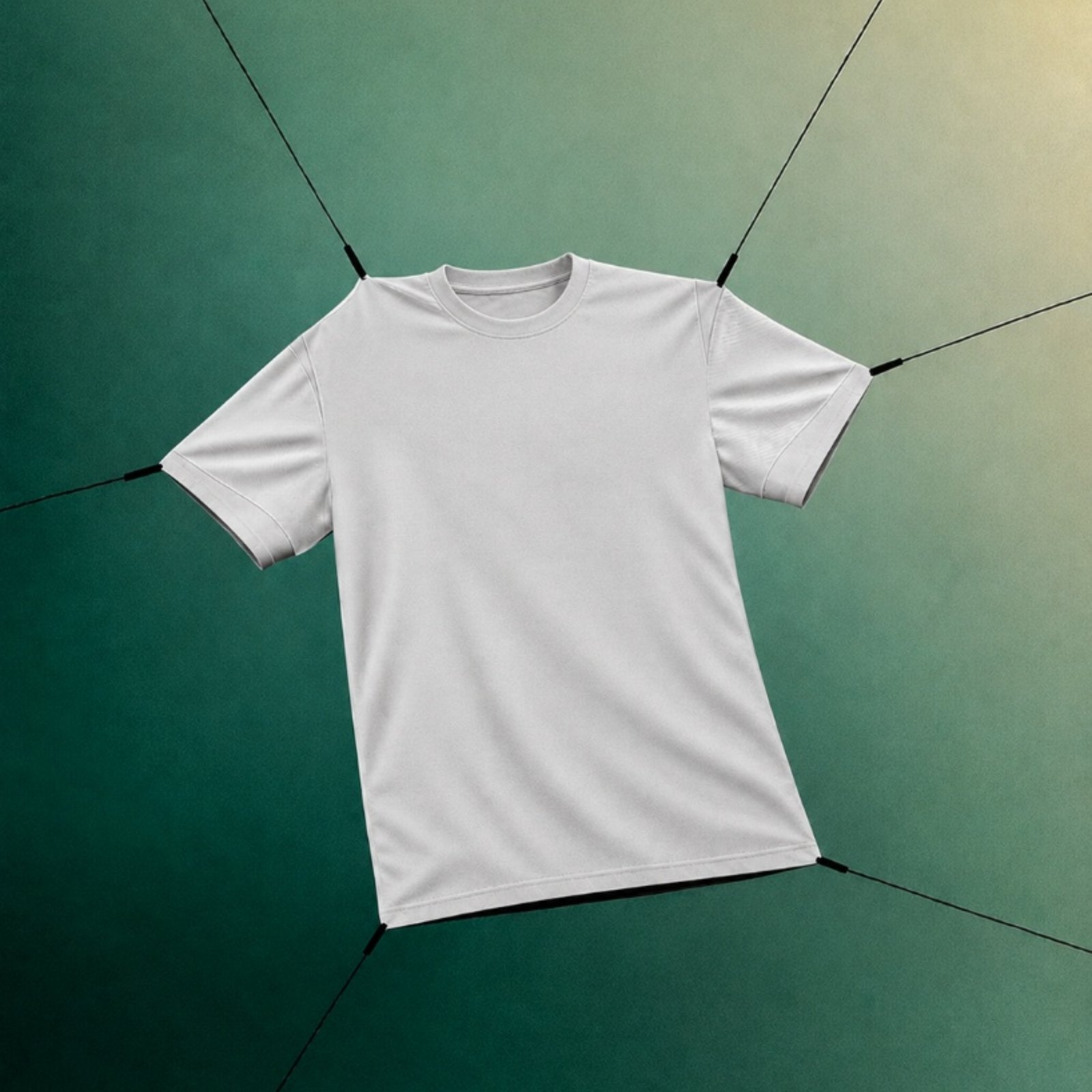
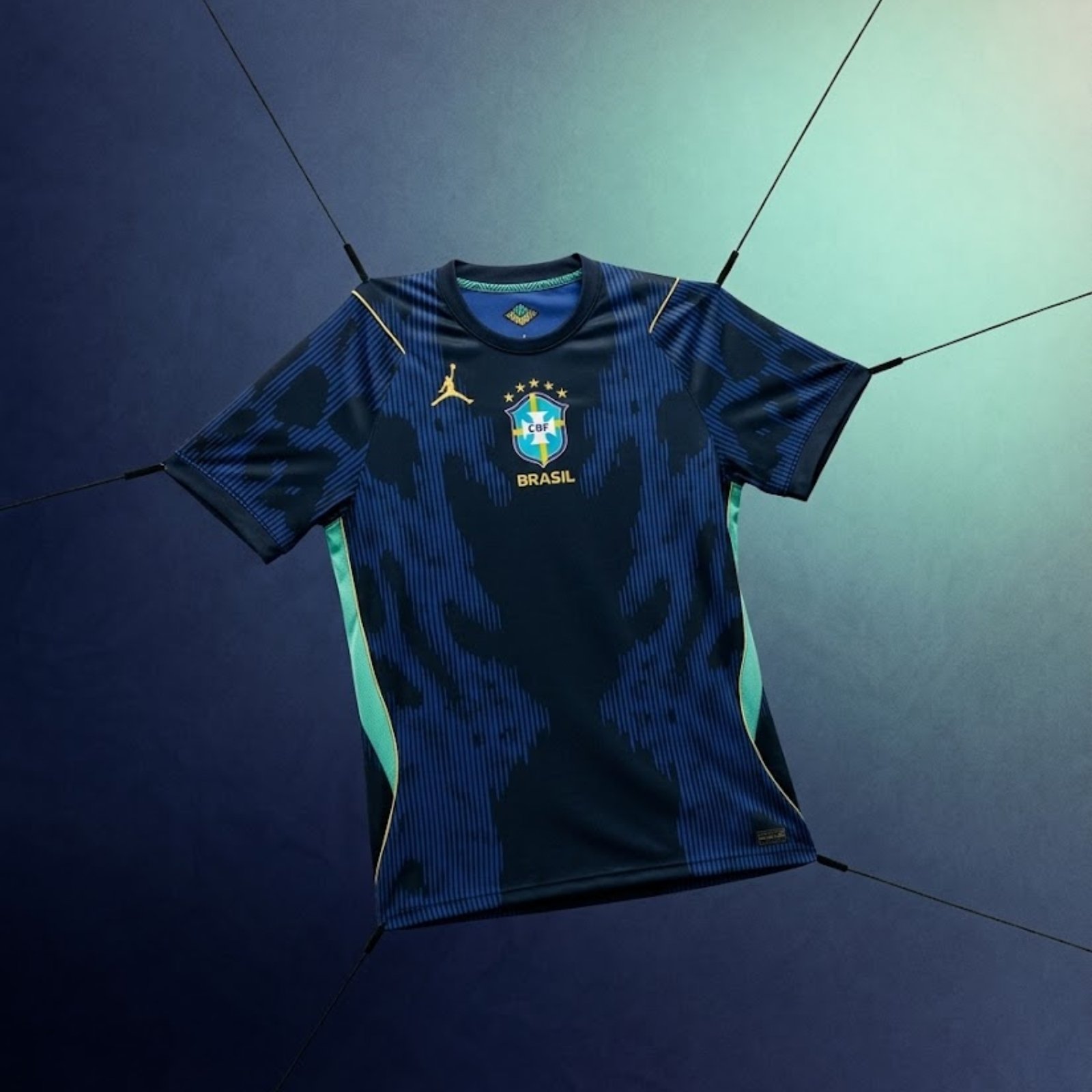
					Image 1 is the base composition: a t-shirt stretched and suspended by black cords over a textured gradient background. Image 2 is a football jersey.

Replace the t-shirt in Image 1 with the exact jersey from Image 2, keeping every detail identical: colors, patterns, collar, cuffs, crest, sponsor and brand logos, and text. Do not redesign or simplify anything. Keep the same shape, pose, wrinkles, and cord attachment points.

Keep the background's wavy gradient, film grain, and top-right glow, but recolor it to match the jersey's colors (a darker shade of the main color for the shadows, a lighter tone for the glow). Add nothing new.

Ultra-high resolution, sharp, professional product photography, 4:5 portrait, no blur, no artifacts, no watermark.
AI Tool Used
Prompt ( Click to Copy )
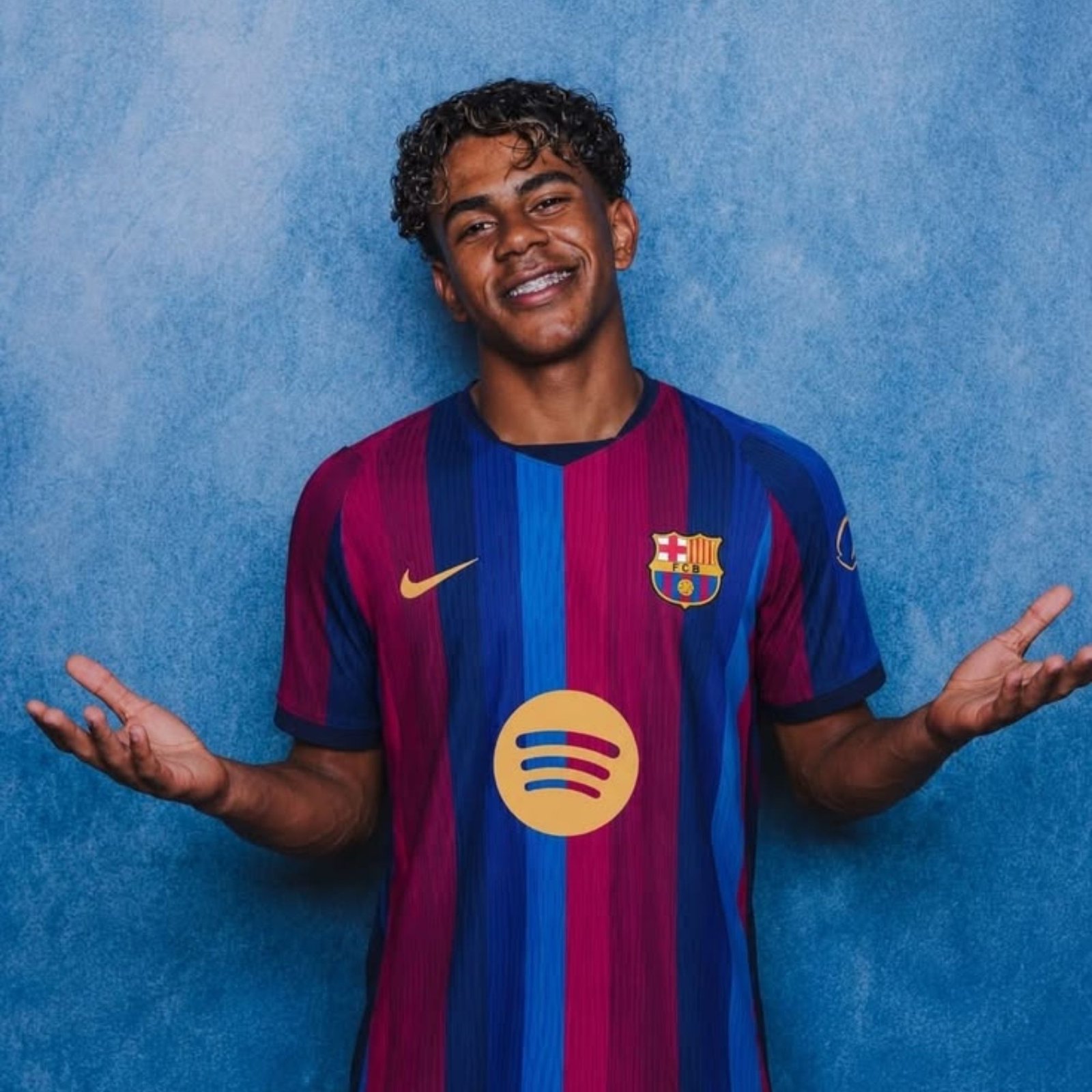
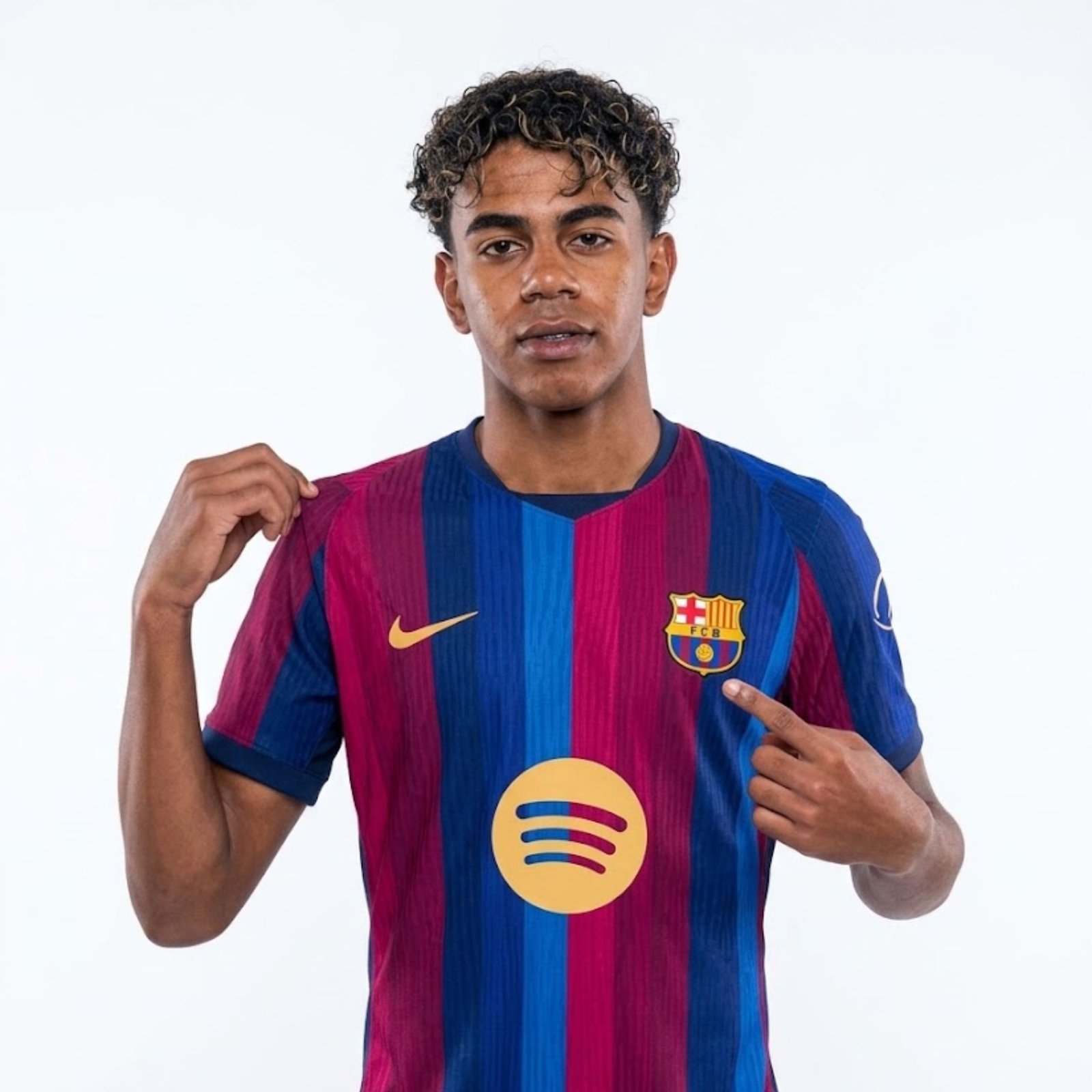
					Using the attached photo as the reference for the person's identity, recreate this exact same individual in a new studio photograph, replicating the following pose with precise accuracy:

Body angled slightly to a three-quarter stance, chest turned toward the camera.
Left hand raised near the shoulder, gently pulling/holding the collar of the shirt outward and upward.
Right hand pointing with two fingers (index and middle finger) toward the crest/logo on the chest.
Head facing the camera directly with a calm, composed, serious expression (no smile, subtle confident look).
Direct steady eye contact with the lens, chin level.
Same shoulder height, arm bend angles, and hand positioning as the reference pose.
Critical requirements:

Preserve the person's exact facial features, face shape, skin tone, hairstyle, facial hair, tattoos, and body proportions with zero alteration — this must remain unmistakably the same individual.
Keep the person's own clothing/outfit from the uploaded photo unchanged (do not replace it with a different jersey, uniform, or design) — only replicate the pose and lighting/background setup.
Replace the background with a clean, seamless pure white studio backdrop (#FFFFFF).
Maintain professional studio lighting: soft, even key lighting with subtle natural shadow beneath the body/arms, matching the polished look of professional athlete portrait photography — not flat, shadowless lighting.
Output in ultra-high resolution, sharp focus, photorealistic quality, with realistic skin texture, fabric texture, and natural color accuracy — no plastic/AI-smoothed look, no distortion, no artifacts.
Final image aspect ratio must be exactly 4:5 (portrait orientation), with the upper body/pose properly framed and centered within this ratio.
The final image should look like an authentic high-end sports/portrait studio photoshoot.
AI Tool Used
Prompt ( Click to Copy )
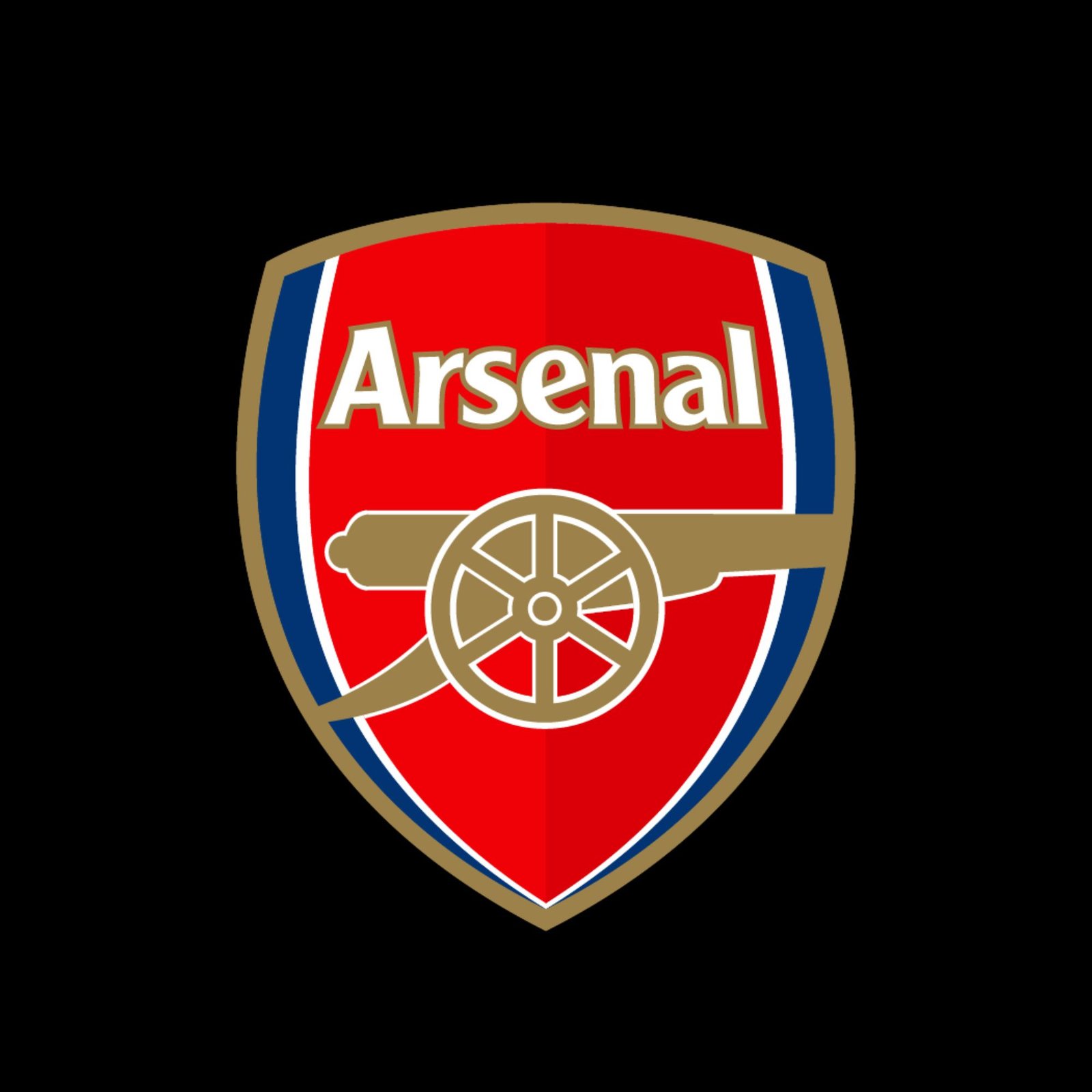
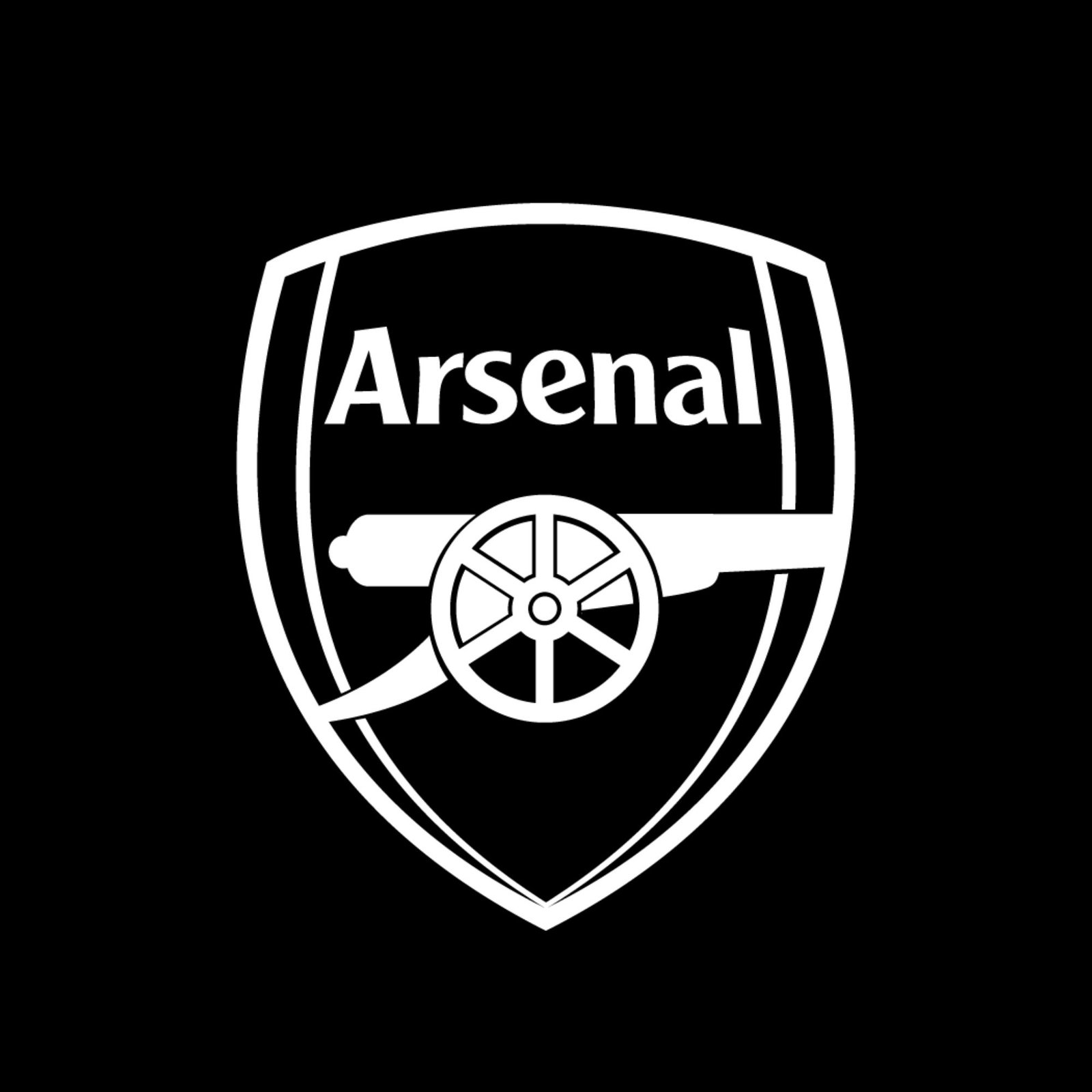
					Convert the provided logo into a clean, single-line vector outline (stencil-style), following these exact specifications:

1. SIMPLIFY TO SINGLE OUTLINE: Reduce every shape to ONE single, uniform-weight contour line. Do NOT preserve internal shading lines, depth lines, double borders, or parallel duplicate strokes that exist in the original for 3D/shading effect — merge them into a single clean silhouette outline instead. Think "stencil" or "die-cut sticker" style, not a detailed line-art copy.

2. TRACE ACCURACY: Keep the exact overall shape, proportions, letters, symbols, and composition of the original logo — only simplify the LINE STYLE, not the design itself.

3. STROKE CONSISTENCY: All lines must have the exact same thickness throughout the entire design. No thick/thin variation, no double parallel lines, no extra inner strokes.

4. COLOR SCHEME:
   - All lines/shapes: pure white (#FFFFFF), solid fill or single stroke — no gradients, no gray tones.
   - Background: solid pure black (#000000), no transparency.

5. NO EXTRA DETAILS: Remove any shading, highlight lines, or embossed/3D line effects from the original. The result should look flat and 2D, like a clean stencil.

6. CANVAS: Perfectly square canvas, exact 1:1 ratio (e.g., 1024x1024px). Center the logo with equal margins on all four sides — do not crop or stretch.

7. QUALITY: Sharp, crisp vector-quality edges, no blur, no pixelation, no jagged lines.

Reference the attached logo strictly for shape and proportions only — the output style must be a simplified flat single-outline version, not a detailed replica of the shading lines.